
Your contract has an arbitration clause and the dispute has arrived. Or you are drafting the clause now and want to know what you are signing up to. We act in institutional and ad hoc arbitrations, including before the Singapore International Arbitration Centre, and in the court applications taken out in aid of arbitration or post-award.
Arbitration is private dispute resolution before a tribunal the parties help choose, and in Singapore it is most commonly conducted under the rules of the Singapore International Arbitration Centre. Jerrie Tan LLC acts as counsel in SIAC and ad hoc references, advises on the choice between arbitration and the courts, and handles interim relief, enforcement and challenges to awards.
Breach, termination, price and performance disputes under contracts containing an arbitration clause.
Matters involving parties in China and Greater China, conducted in Mandarin where that is what the client needs.
Disputes about whether the tribunal has jurisdiction at all, and about the scope of the arbitration agreement.
Emergency arbitrator applications and court-ordered interim measures in support of an arbitration.
Enforcing Singapore and foreign awards, including under the New York Convention.
Challenges to awards before the Singapore courts, and resisting enforcement where grounds exist.
The Singapore International Arbitration Centre operates more than one procedure, and which one applies is largely a function of the amount in dispute. The 7th edition of the SIAC Rules, in force from 2025, introduced a streamlined track for smaller claims.
| Track | Amount in dispute | Timetable | In practice |
|---|---|---|---|
| Streamlined Procedure | SGD 1,000,000 or below | Award within three months of the tribunal's constitution | Introduced by the SIAC Rules 2025. Built for speed and proportionality on smaller commercial claims, where a full evidentiary process would cost more than the dispute is worth. |
| Expedited Procedure | More than SGD 1,000,000, up to SGD 10,000,000 | Compressed timetable set by the tribunal and Registrar | The threshold was raised from SGD 6 million under the previous rules. A sole arbitrator and a shortened process, without abandoning oral evidence where it matters. |
| Standard Procedure | No monetary limit | Set by the tribunal in consultation with the parties | The full process — pleadings, document production, witness and expert evidence and a hearing. Used where the amounts or the issues justify it. |
Thresholds as set out in the SIAC Rules 2025 (7th edition). The applicable track and timetable should be confirmed against the rules in force when the notice of arbitration is filed.
Where a contract contains a valid arbitration clause, that is generally where the dispute goes — the choice was made when the contract was signed, often without much thought. Where there is a genuine choice, it is worth making deliberately.
Arbitration offers confidentiality, a tribunal you help select and international
enforceability. The Singapore courts offer a public, precedent-setting judgment, well-established interim relief and, in smaller matters, lower cost. Cross-border parties with assets outside Singapore frequently favour arbitration for enforcement reasons alone.
Scope, seat, institution, number of arbitrators and language. A poorly drafted clause produces a jurisdictional fight before anyone reaches the merits.
Emergency arbitrator relief and court-ordered interim measures are available before a tribunal is constituted, and both work best before assets have moved.
An award is only as good as its enforceability. Where the counterparty's assets sit shapes the strategy from the outset, not at the end.
Arbitration is private, which makes settlement easier to reach and easier to keep quiet. That is frequently its most valuable feature.
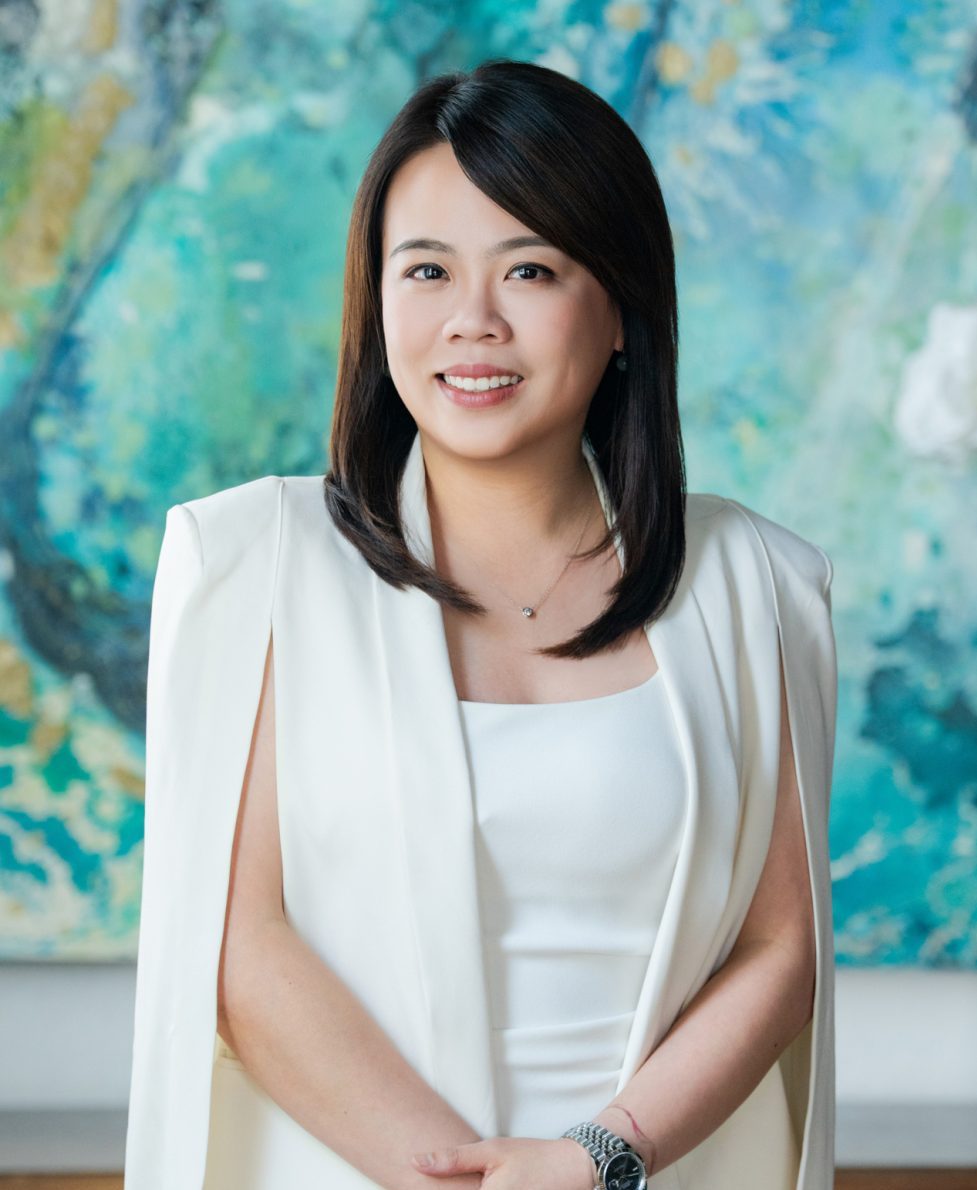
Jerrie Tan is the Founding Director of Jerrie Tan LLC, a Singapore disputes practice acting where commercial risk, regulatory scrutiny and personal liability intersect. She has been in practice since 2013 and spent almost a decade at an international law firm working alongside leading Senior Counsel, developing a commercial disputes and corporate investigations practice with a particular focus on Mandarin-speaking and China-based clients.
She has more than 40 reported judgments and has appeared across the State Courts, the Supreme Court and the Singapore International Commercial Court. She teaches Advocacy to law graduates preparing for call to the Singapore Bar and serves as an Adjunct Fellow at the NUS Centre for Pro Bono and Clinical Legal
Education.
In a time when disputes lawyers become more and more specialised, not just in areas of practice but right down to specific roles and tasks, Jerrie’s exposure and width of practice makes her a ‘complete’ lawyer, who understands the full legal and commercial concerns of clients, and provides clients with holistic and well considered advice.
NARAYANAN SREENIVASAN S . C . · MANAGING DIRECTOR , SREENIVASAN CHAMBERS LLC
Arbitration seated in Singapore is private and, as a general rule, confidential — which is the single most common reason
commercial parties choose it. Hearings are not open to the public, the award is not published as a law report, and the existence of
the dispute need not become known to competitors, counterparties or the press. The protection is not absolute: proceedings can reach the courts on a challenge or an enforcement application, and other obligations may compel disclosure. For a listed company, a regulated business or a founder with a reputation to protect, that difference from open court is often worth more than the procedural detail.
The Streamlined Procedure is a fast track introduced by the SIAC Rules 2025 for disputes of SGD 1,000,000 or below, under which the tribunal is required to issue its award within three months of being constituted. It exists because the ordinary process is disproportionate for smaller claims — by the time full document production and a multi-day hearing are paid for, the costs can approach the value of the dispute. The trade-off is compression: the timetable is short, so the case has to be properly prepared before the notice of arbitration is filed rather than developed as it goes along.
Yes. A tribunal takes weeks to constitute, and assets can move in days, so both institutional rules and Singapore law provide for the
gap. The SIAC rules allow an application for an emergency arbitrator, and the Singapore courts have power to grant interim measures in support of an arbitration. Which route to use depends on where the assets are, how quickly the order must bite and whether it needs to bind third parties such as banks. This is a decision measured in days, and it is the part of an arbitration where delay is least recoverable.
In principle yes — both Singapore and China are parties to the New York Convention, which provides for the recognition and enforcement of foreign arbitral awards among contracting states. That is a large part of why cross-border parties with a China nexus choose arbitration over the Singapore courts. Chinese courts have recognised and enforced the substantial majority of foreign arbitral awards reviewed since China acceded to the New York Convention, refusing enforcement only in a limited number of cases and generally on narrowly defined grounds.
Consultations are by appointment and treated in confidence. Whether the clause helps or hurts you is usually clear before a notice of arbitration is ever served.
This page is general information only and does not constitute legal advice. It does not create a solicitor–client relationship. Outcomes depend on the specific facts of each matter. Case references are described only as far as they appear in publicly reported judgments. Please seek advice on your own circumstances.

168 Robinson Road,
Capital Tower #20-01,
Singapore 068912
jerrie@jerrietanllc.com
Whatsapp Us
(by appointment only)
Copyright © 2026 Jerrie Tan LLC. All Rights Reserved.
WhatsApp us